
History sometimes remembers not just names, but journeys.
Most often, history is written around nations, wars, and powerful empires. Yet occasionally, history also makes space for an individual who rises from a small mountain village – when that person’s journey represents not only personal ambition, but the collective aspirations of an entire community.
Somnath Ghimire is one such figure – a respected community organizer, immigrant advocate, and emerging Asian and minority community leader whose journey now resonates far beyond the Nepali diaspora.
Born in the quiet hills of Shree Antu in Ilam, eastern Nepal, Ghimire’s journey has now reached New York State Assembly District 30 in Queens. His name appearing as Ballot Number One is not merely another line on an election list; it symbolizes the growing political maturity, civic participation, and visibility of the Nepali immigrant community in the United States. For many South Asians, immigrants, and minority communities in New York, his candidacy represents hope for stronger representation in public office and a voice that understands the realities of immigrant life.
A Child of the Hills: The Silent History of Shree Antu
Shree Antu in Ilam was never a center of political power. It was a landscape defined by nature, hard work, simplicity, and modest dreams. It was in this environment that Somnath Ghimire spent his childhood, growing up amid social realities, economic challenges, and aspirations for a better future.
His early education took place in India, where he first began to understand the value of Nepali identity beyond Nepal’s borders. Later, after returning to Nepal, his family relocated from Ilam to Biratnagar in the Terai region.
Ghimire enrolled at Mahendra Morang Campus in Biratnagar to pursue his Intermediate Science studies (ISC). That campus would eventually become a turning point in both his intellectual and political development.
During this period, he was deeply influenced by the democratic ideals of the late Nepali Congress leader Bishweshwar Prasad Koirala (B.P. Koirala), who viewed politics not as a pursuit of power, but as a moral responsibility. His interactions with prominent democratic leader Shailaja Acharya further sharpened his political consciousness.
It was there that Ghimire began to realize that education was not merely a pathway to personal success, but also a foundation for social transformation.
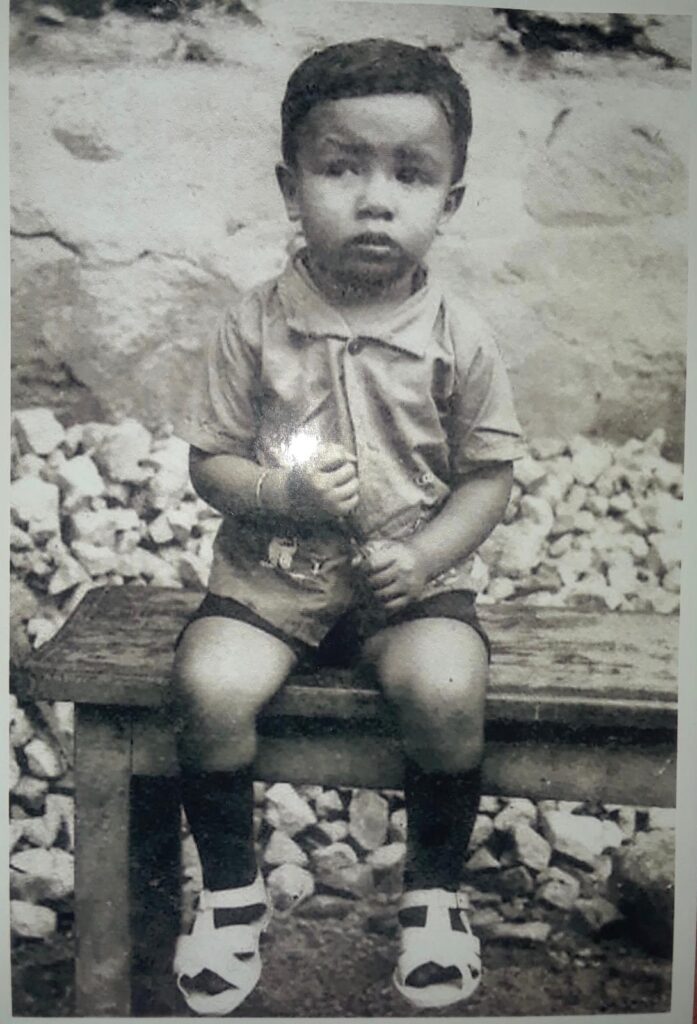
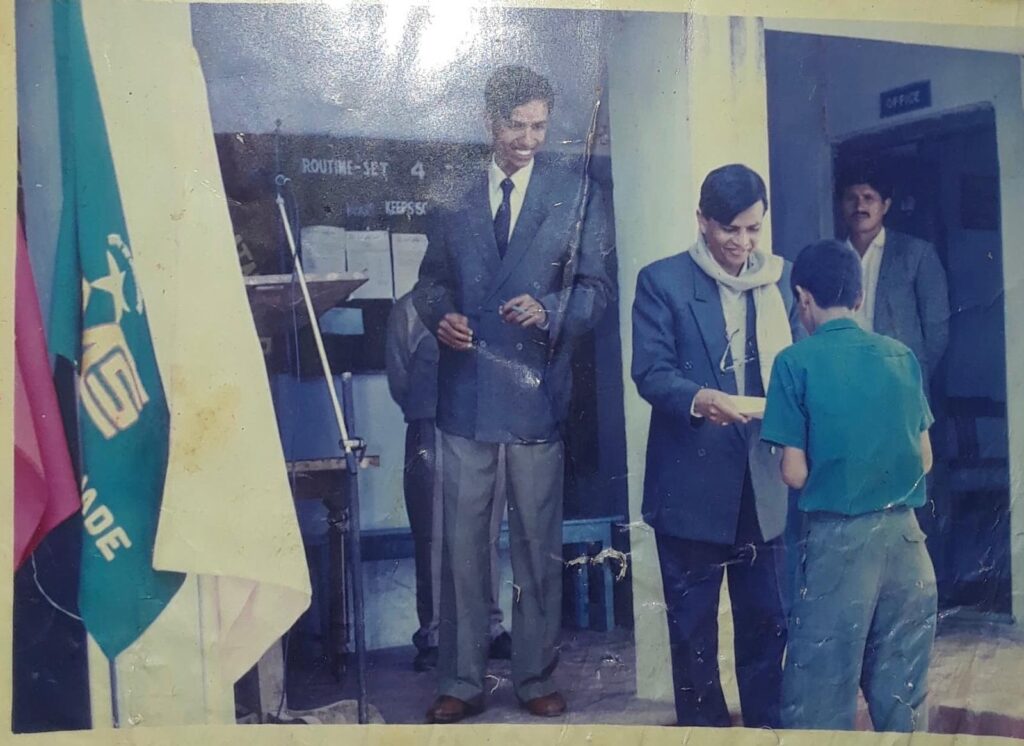
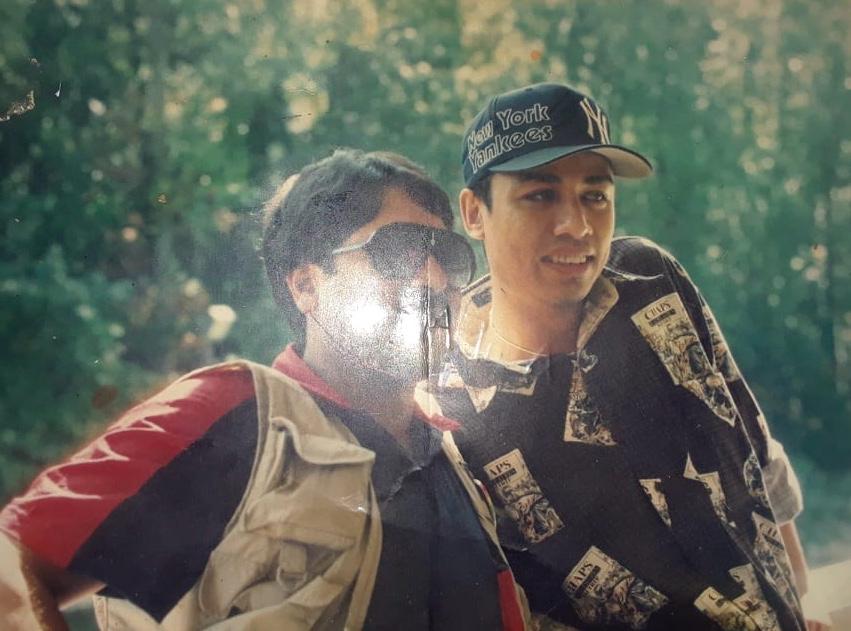
1996: A New World, An Old Identity
In December 1996, Somnath Ghimire arrived in the United States to continue his education. The winter of New York, the economic capital of the world, was not simply cold weather; it was an introduction to an entirely new and demanding life. He continued his studies at LaGuardia Community College, where he encountered the realities of a multicultural society and began grappling with a profound question:
“Who am I?”
One moment during an orientation program would permanently shape the direction of his life.
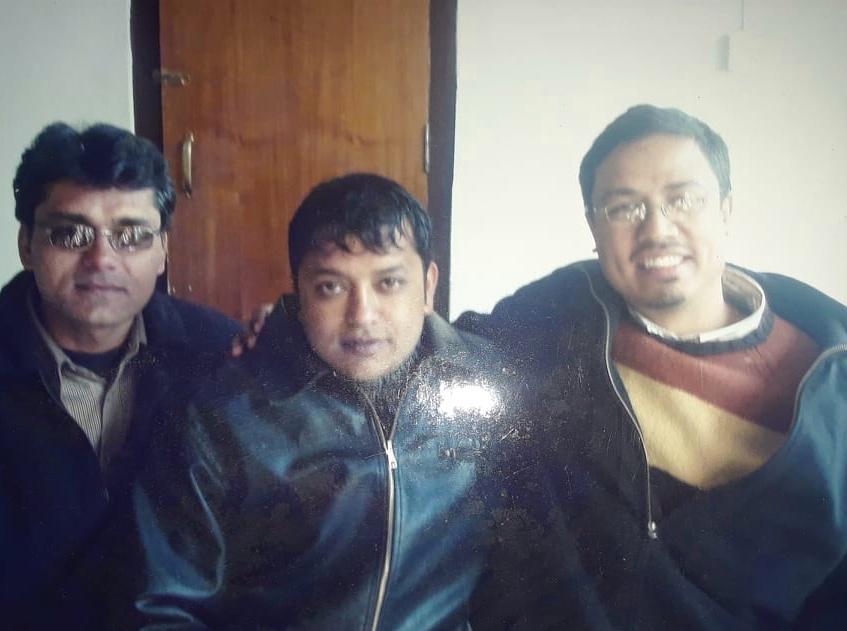
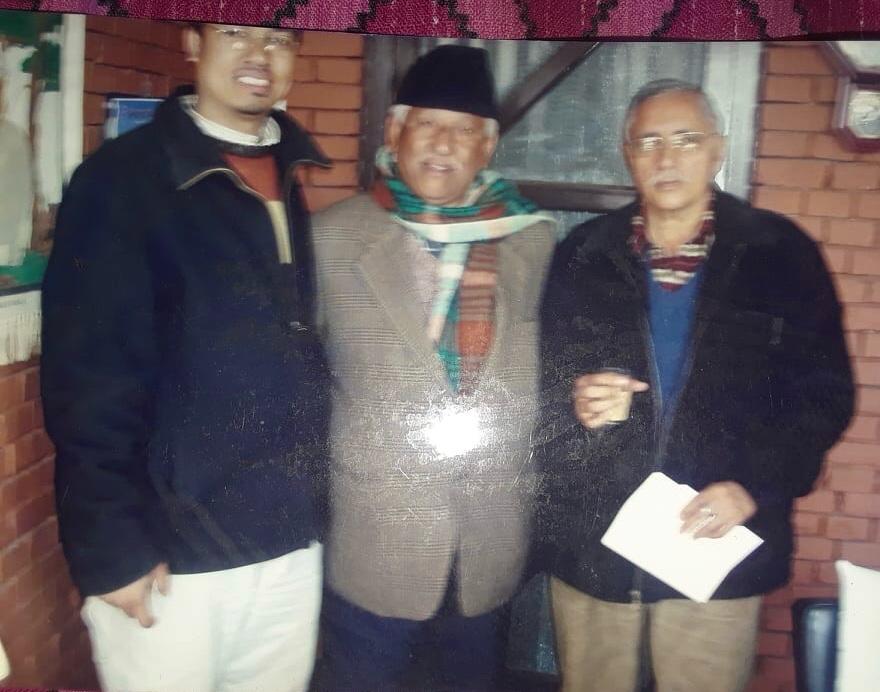
The Question That Sparked a Leader
During the orientation session, a professor casually asked:
“Is Nepal a state of India?”
To many, it may have sounded like simple ignorance.
But for Ghimire, it was a question about identity and national existence.
He stood up and calmly responded:
“Nepal is an independent, sovereign nation that has never been colonized.”
That moment changed him.
He was no longer simply a student.
He became someone determined to represent and protect the identity of his community and country.
Building Community Through Organization and Service
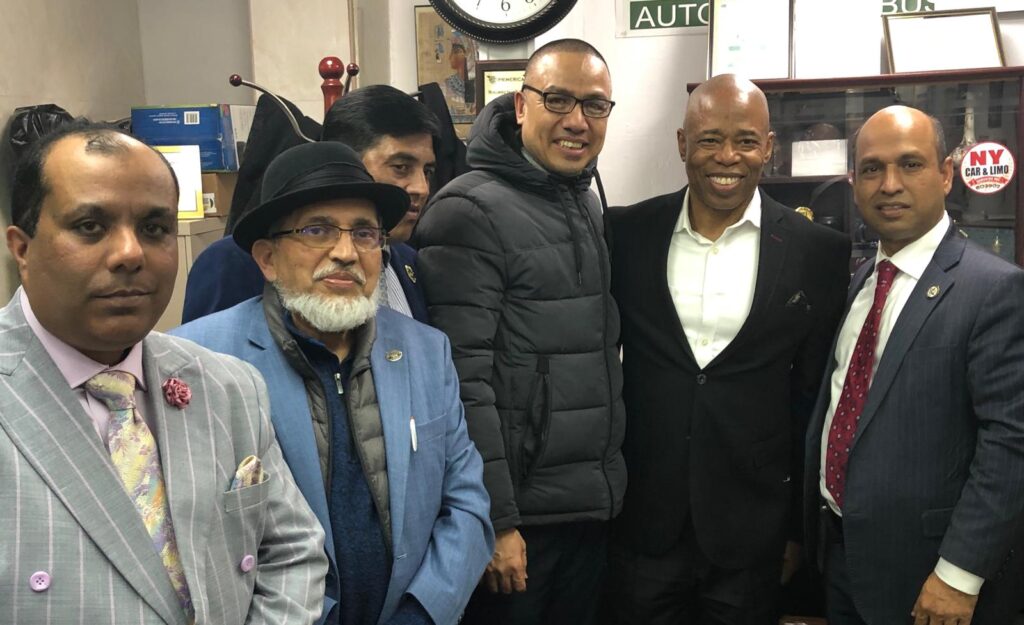
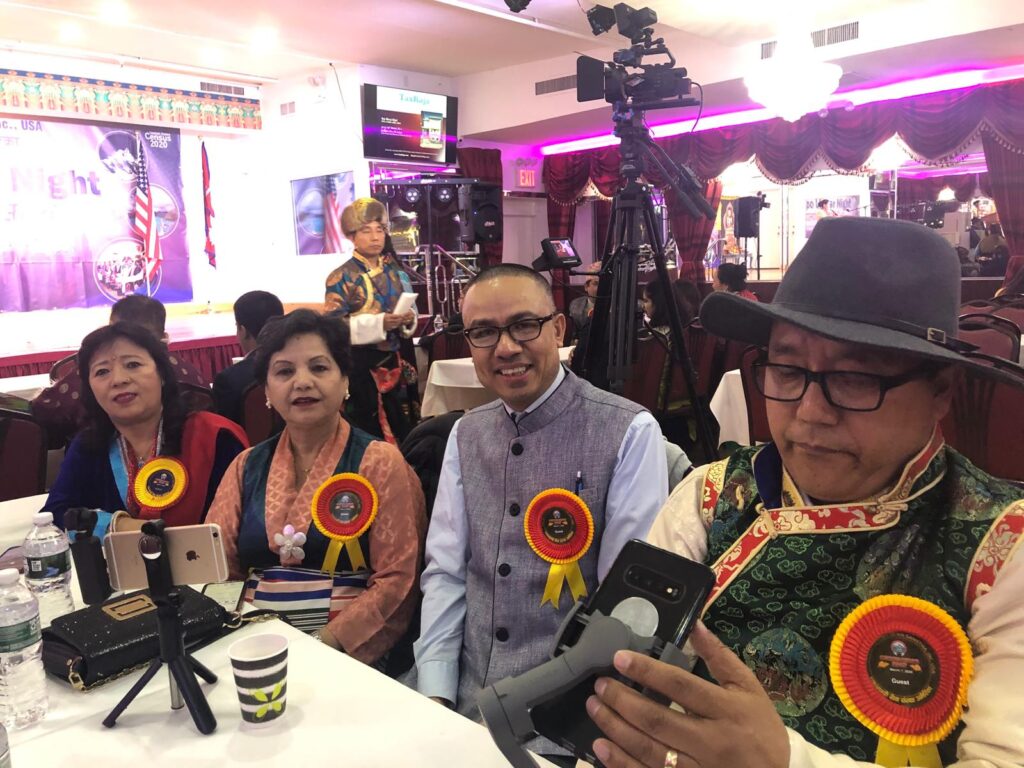
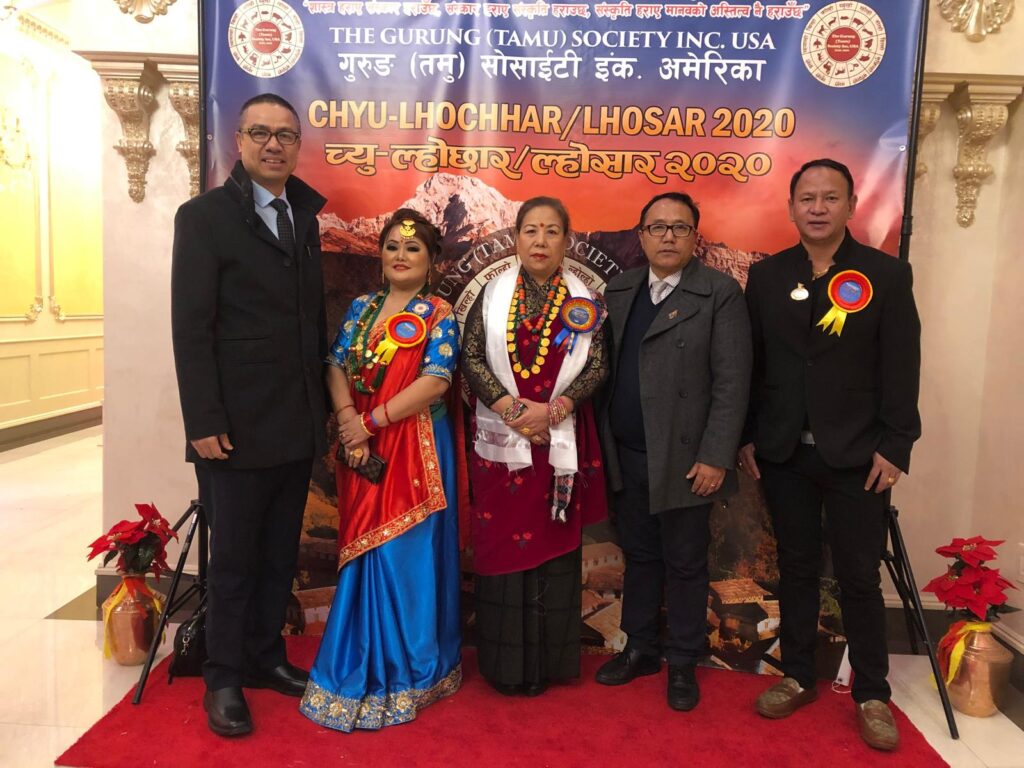
Somnath Ghimire’s political journey did not begin with speeches. It began with organization-building. He played a leading role in establishing the Nepali Student Association, helping unite Nepali students and create a stronger support network within the immigrant community. Through the organization, he helped institutionalize Nepali New Year celebrations, cultural programs, and support systems for newly arrived immigrants.
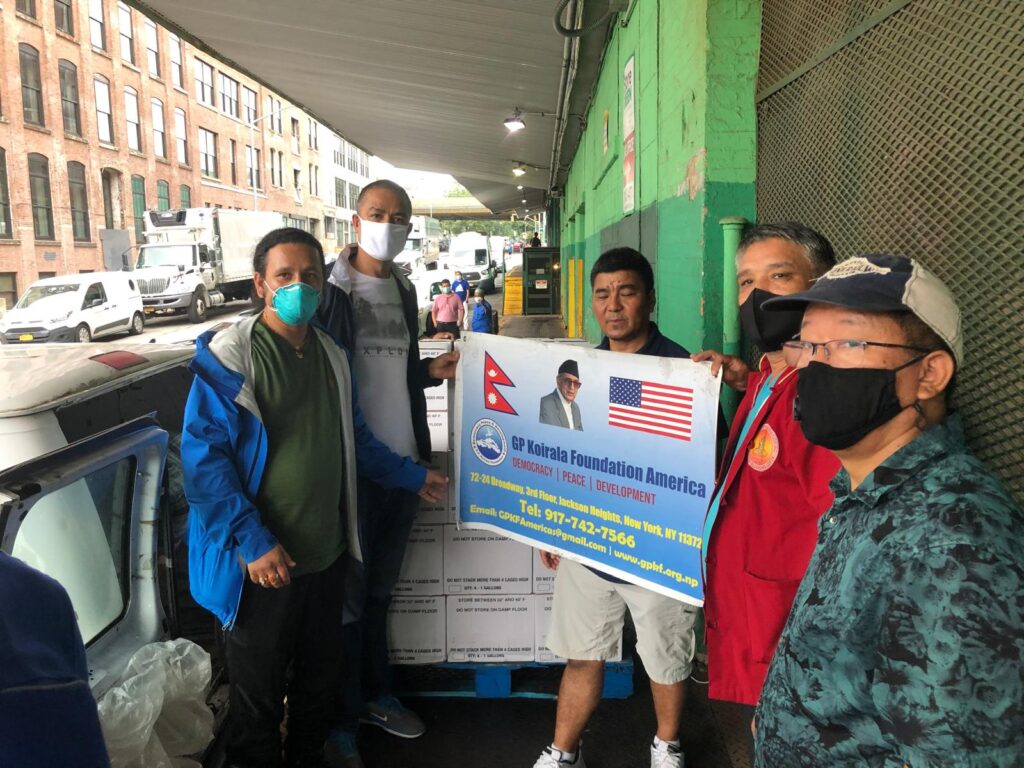
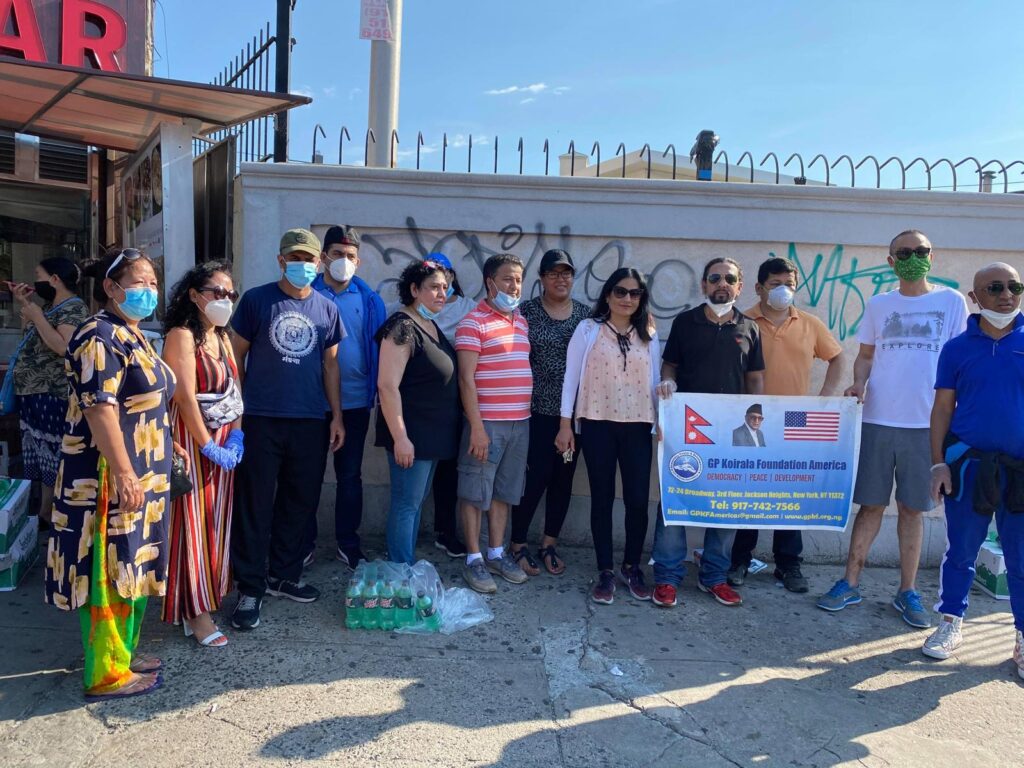
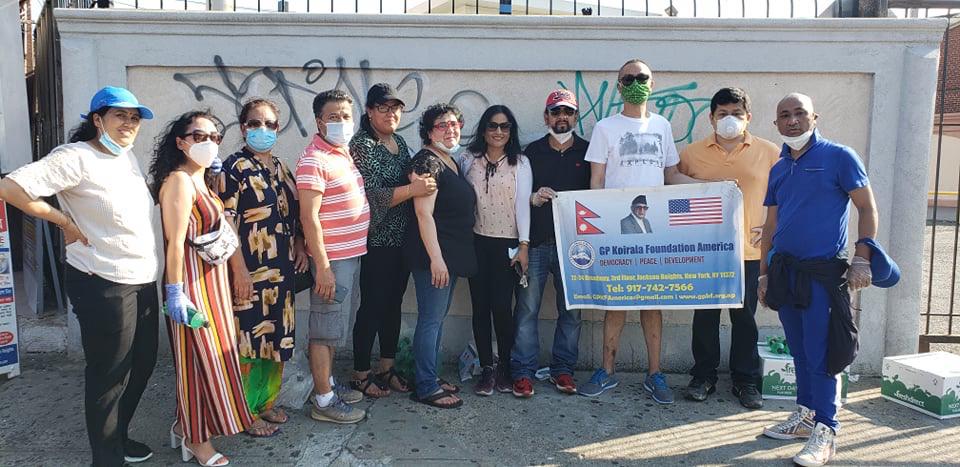
Later, through the nonprofit GPK Foundation, he became involved in long-term initiatives focused on education, healthcare, and community empowerment.
The Pandemic Test: The True Meaning of Leadership
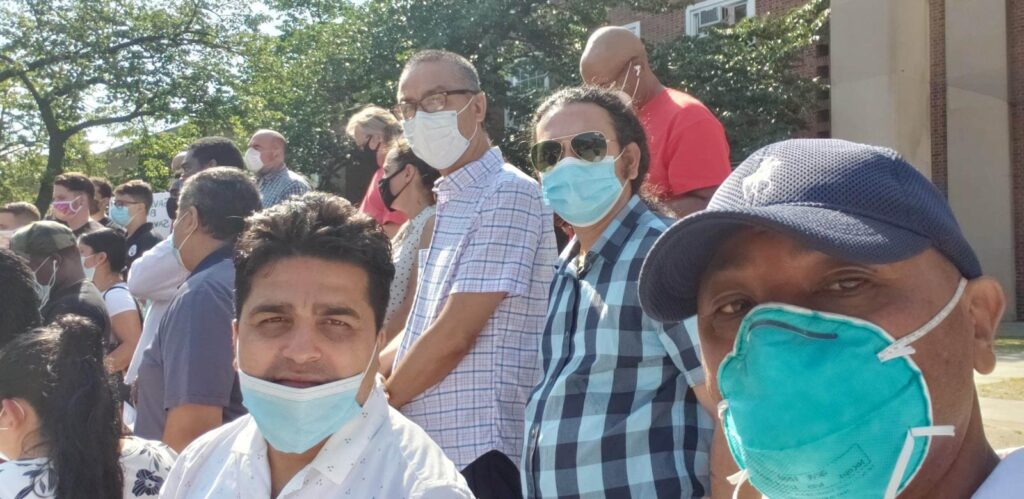
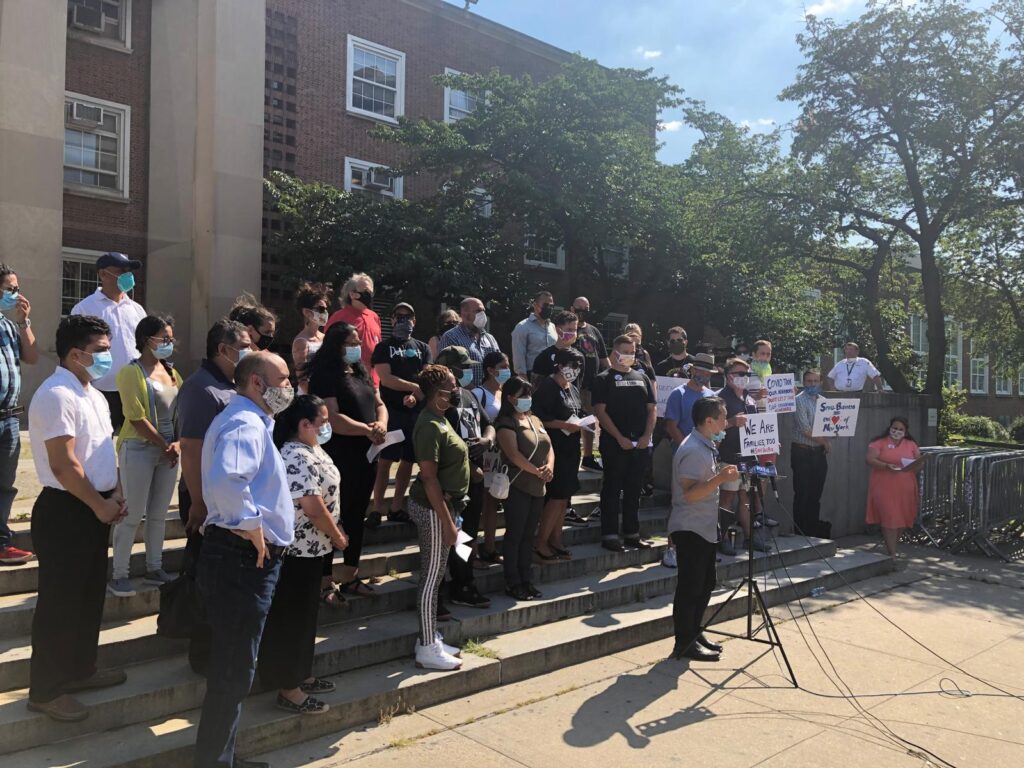
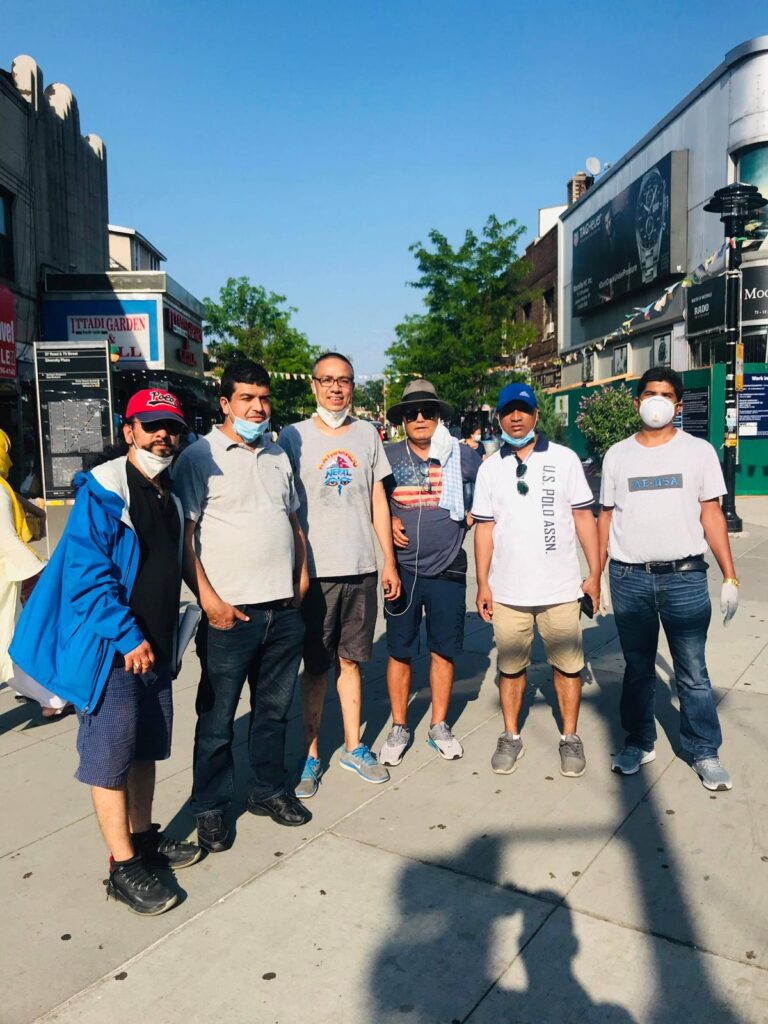
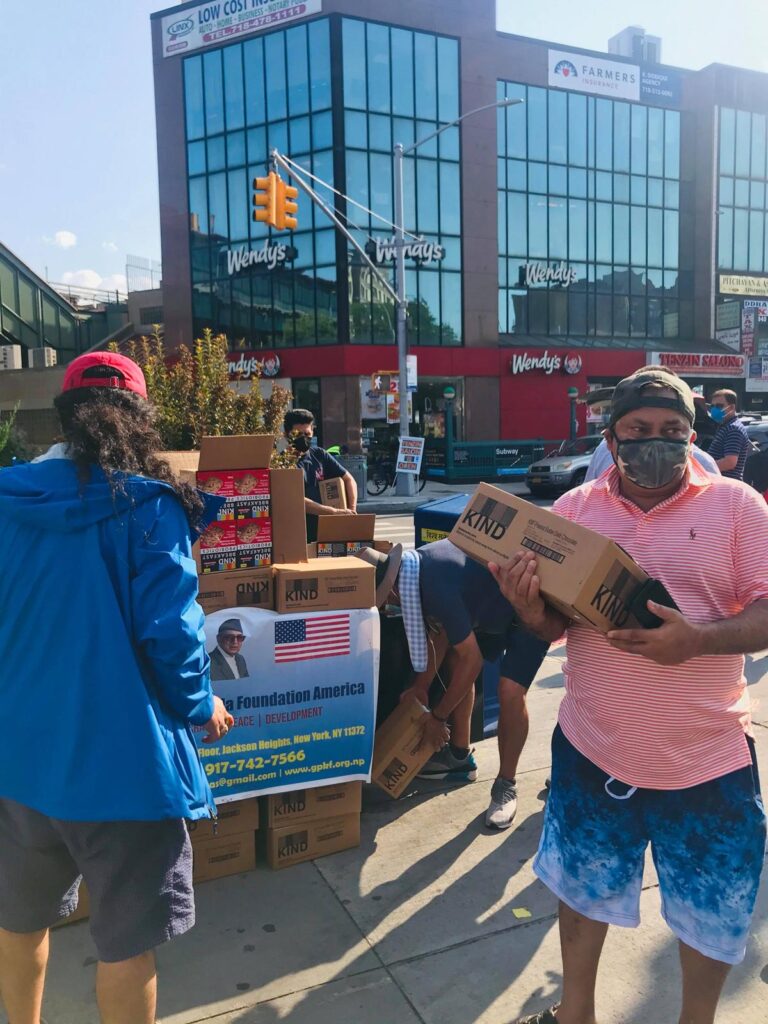
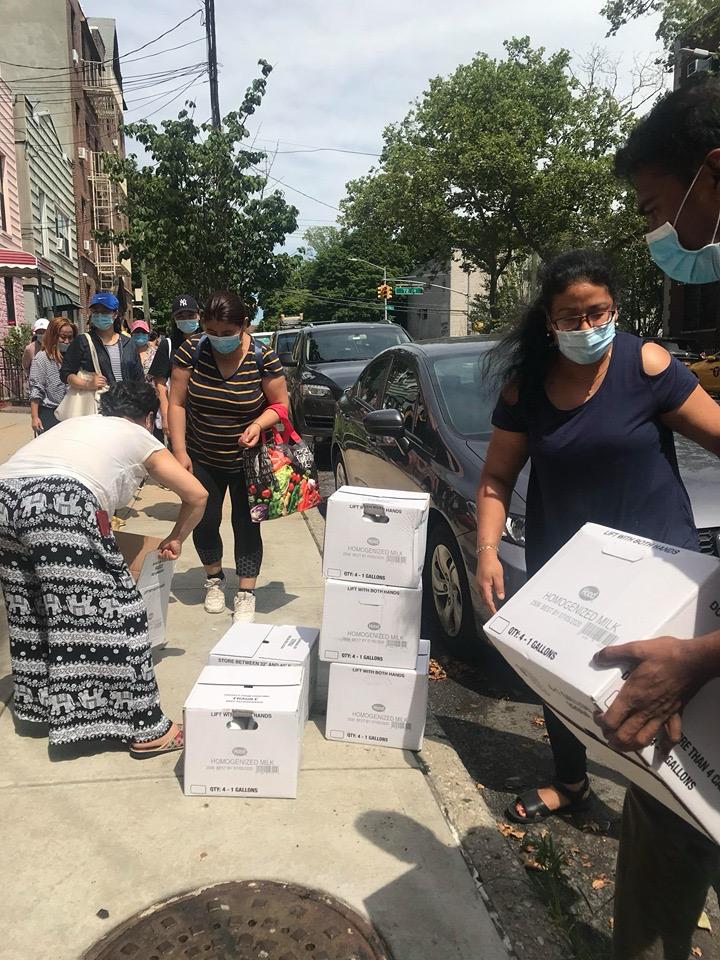
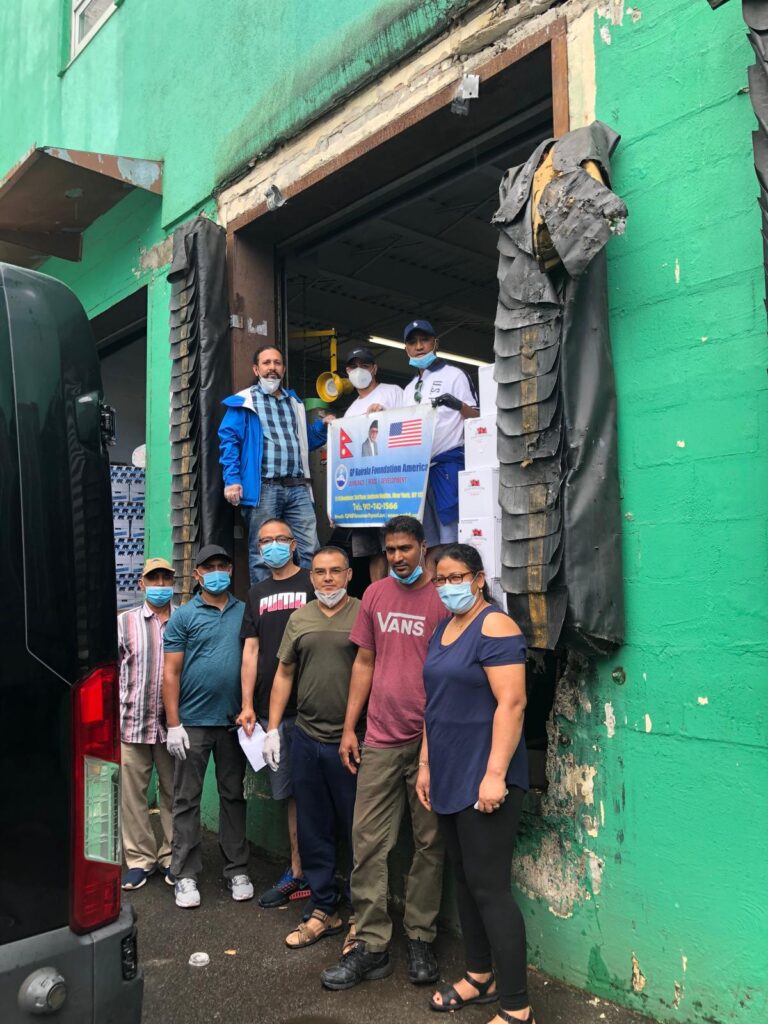
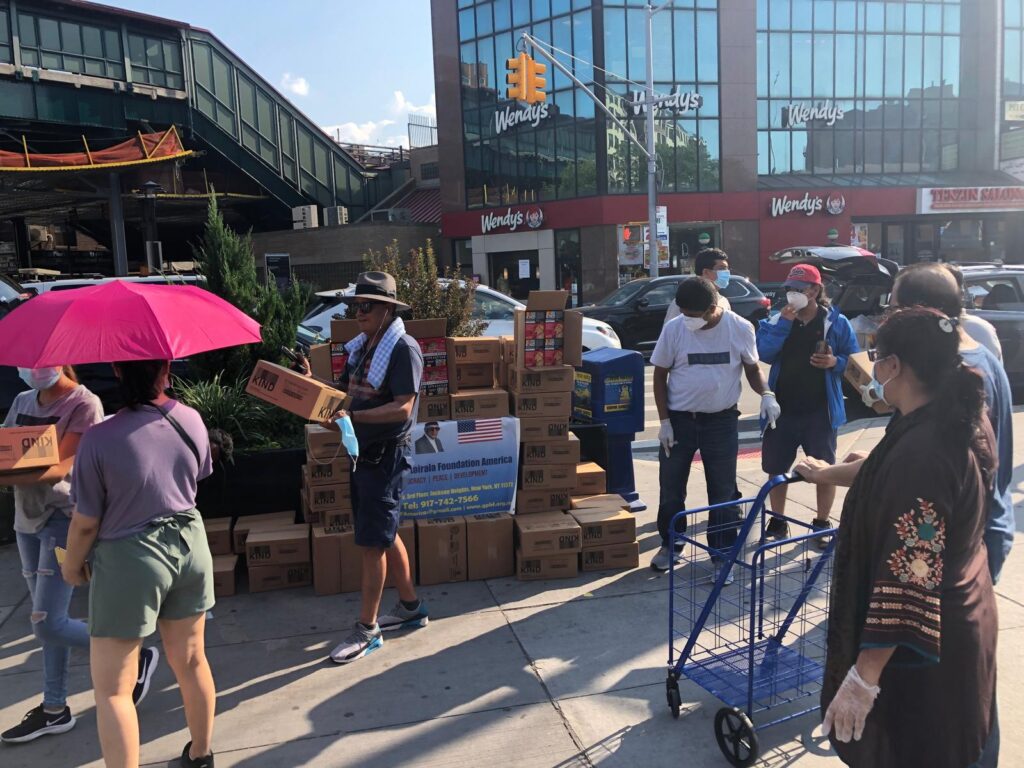
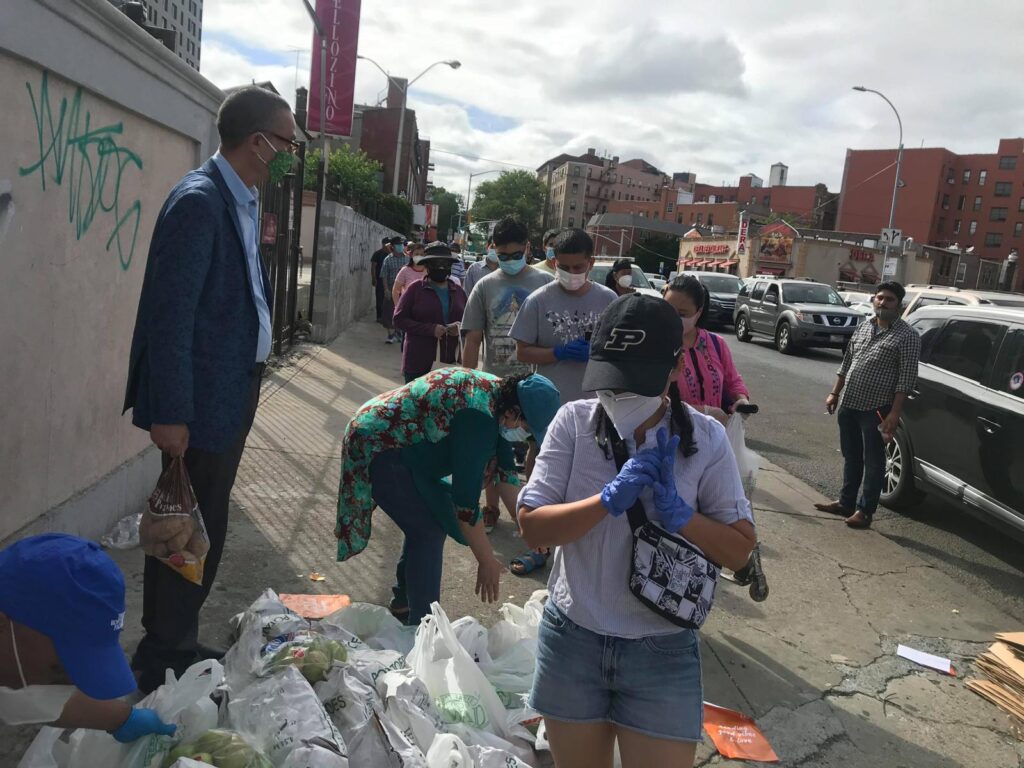
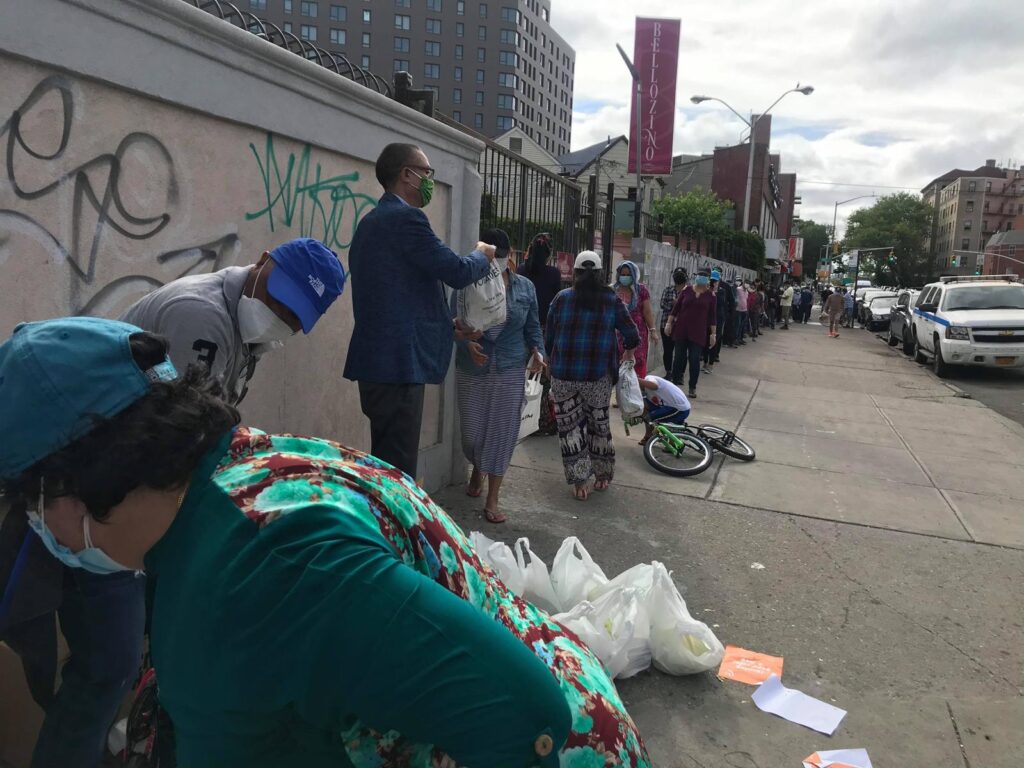
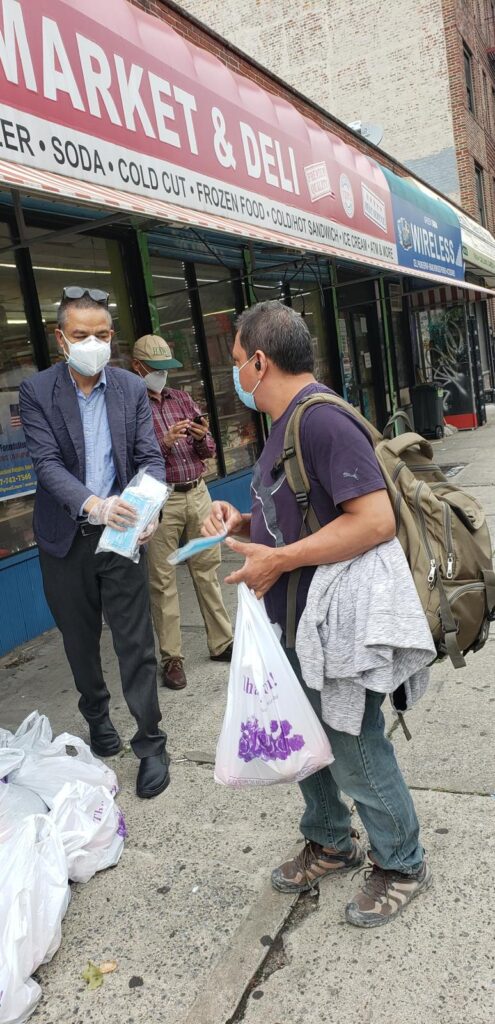
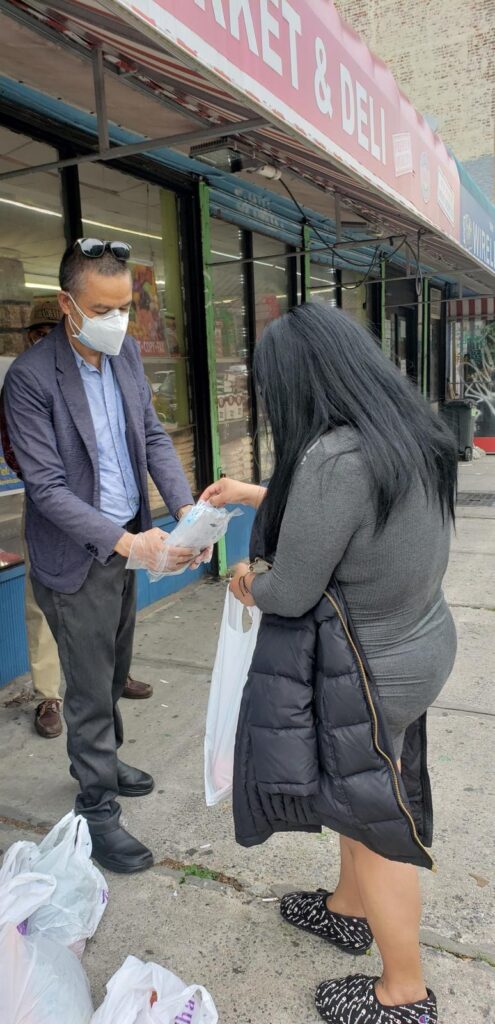
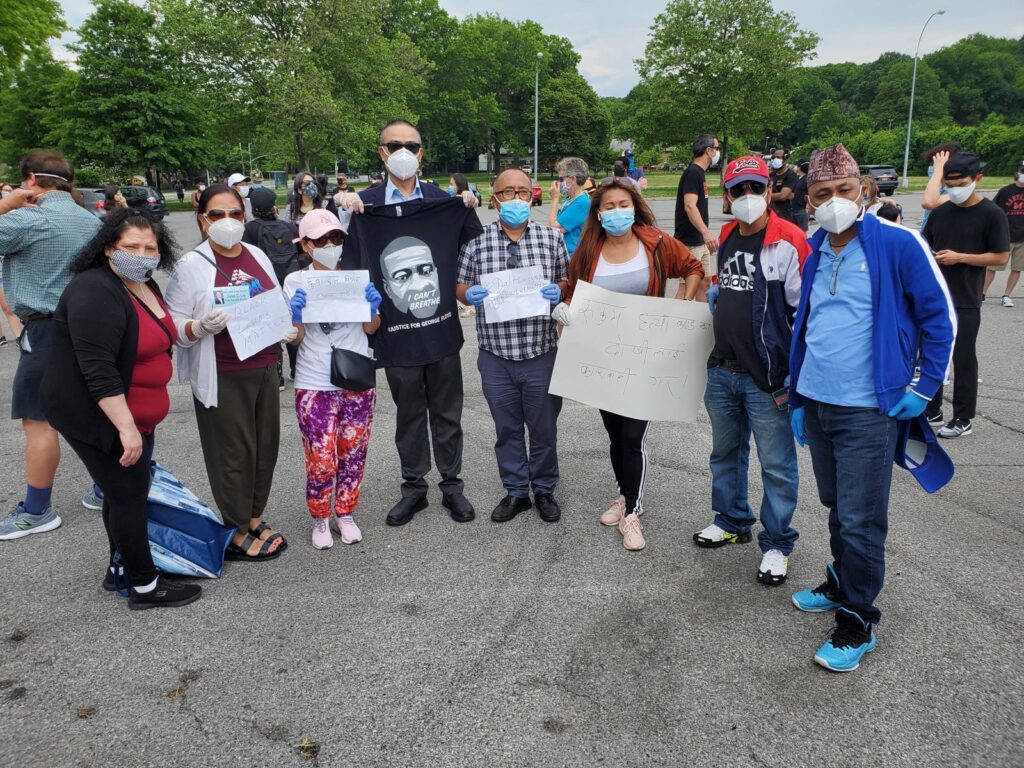
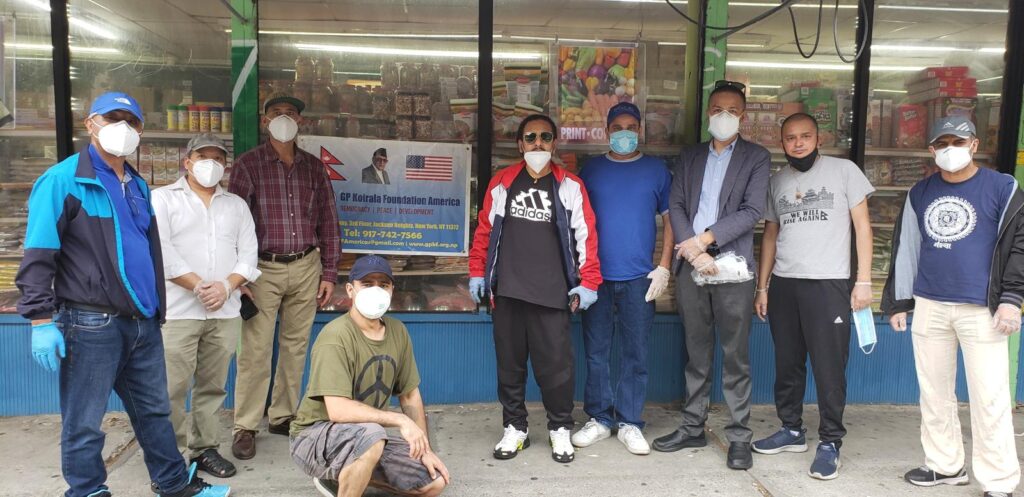
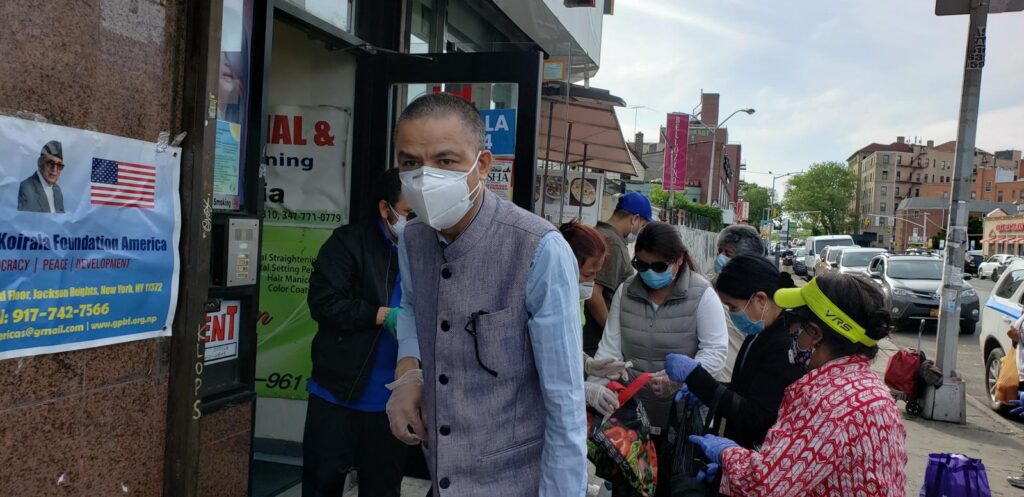
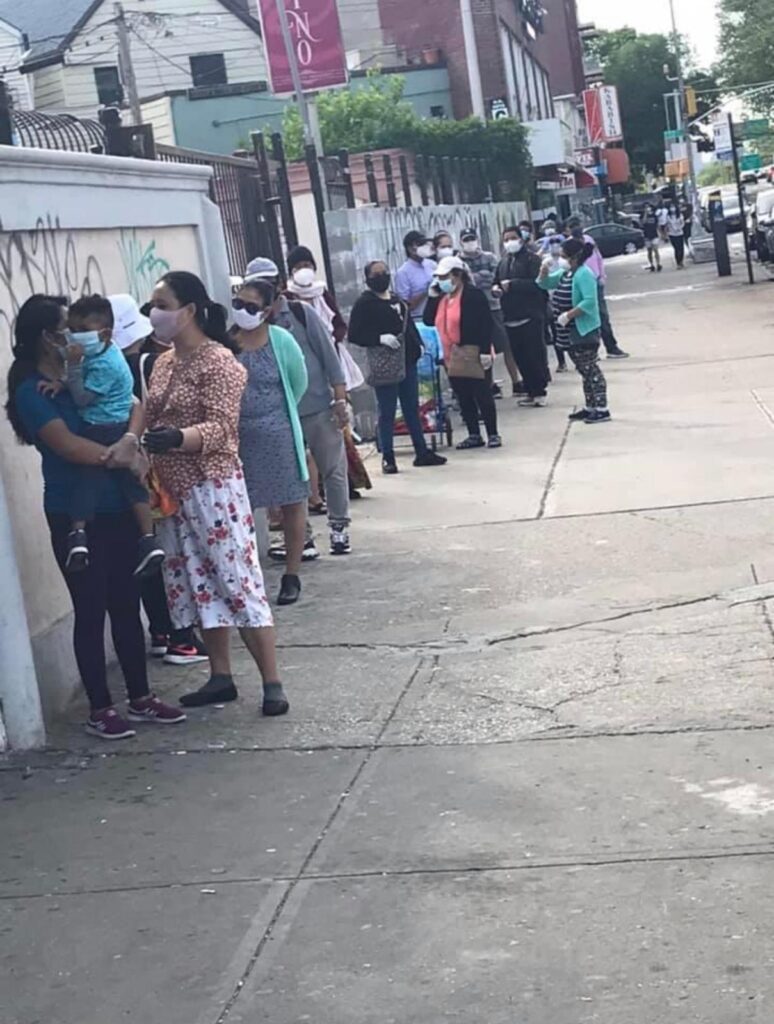
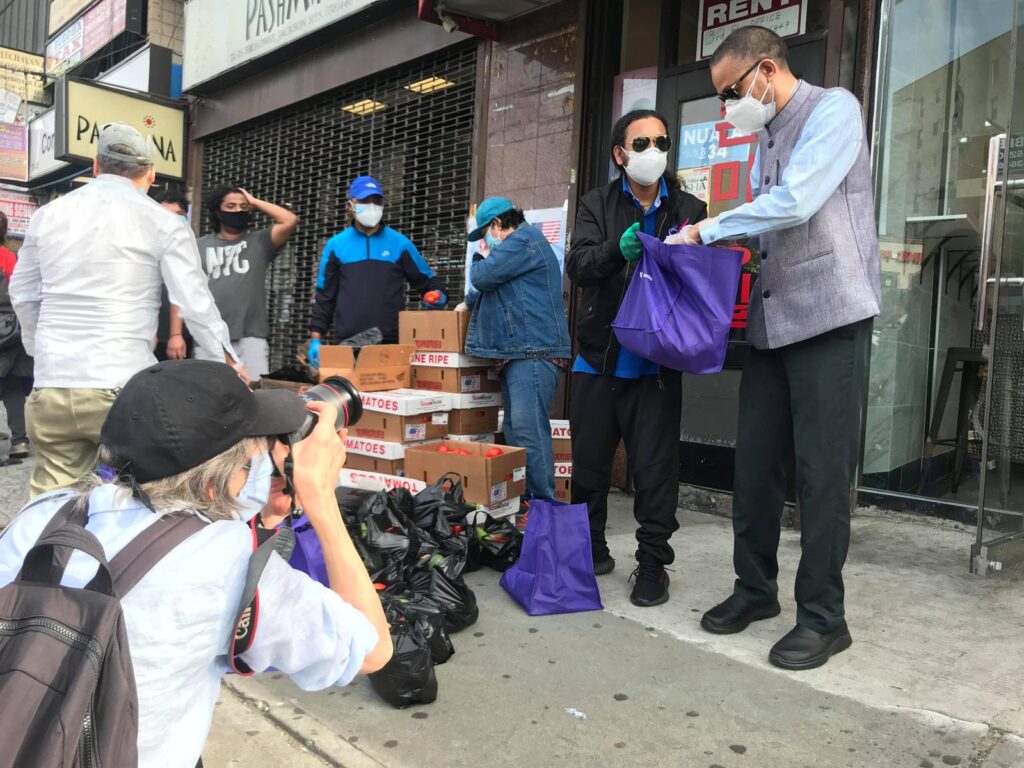
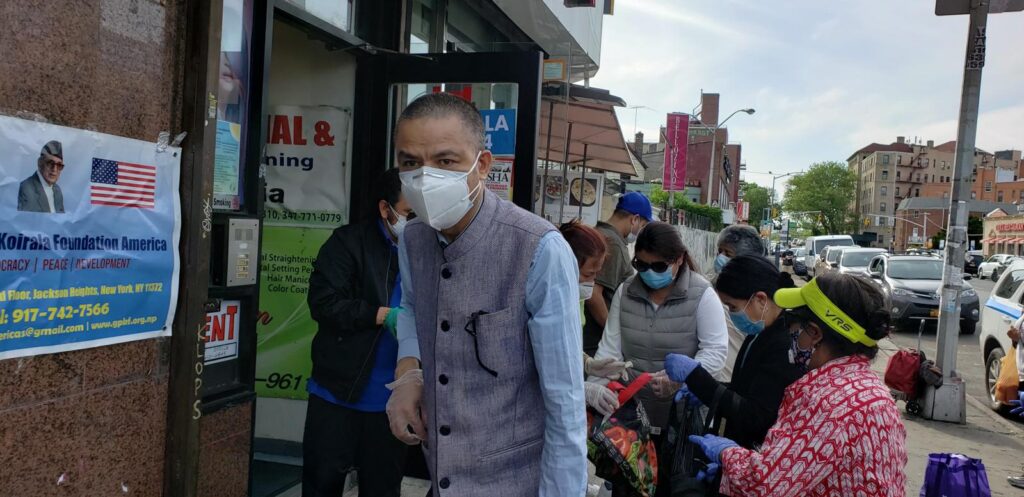
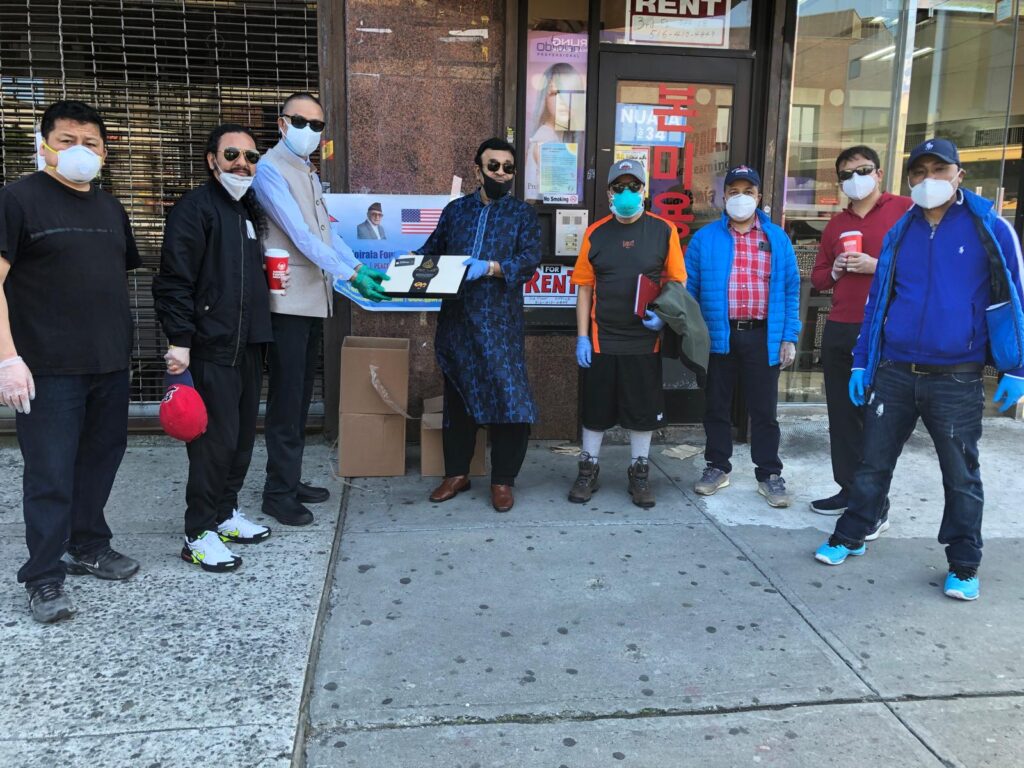
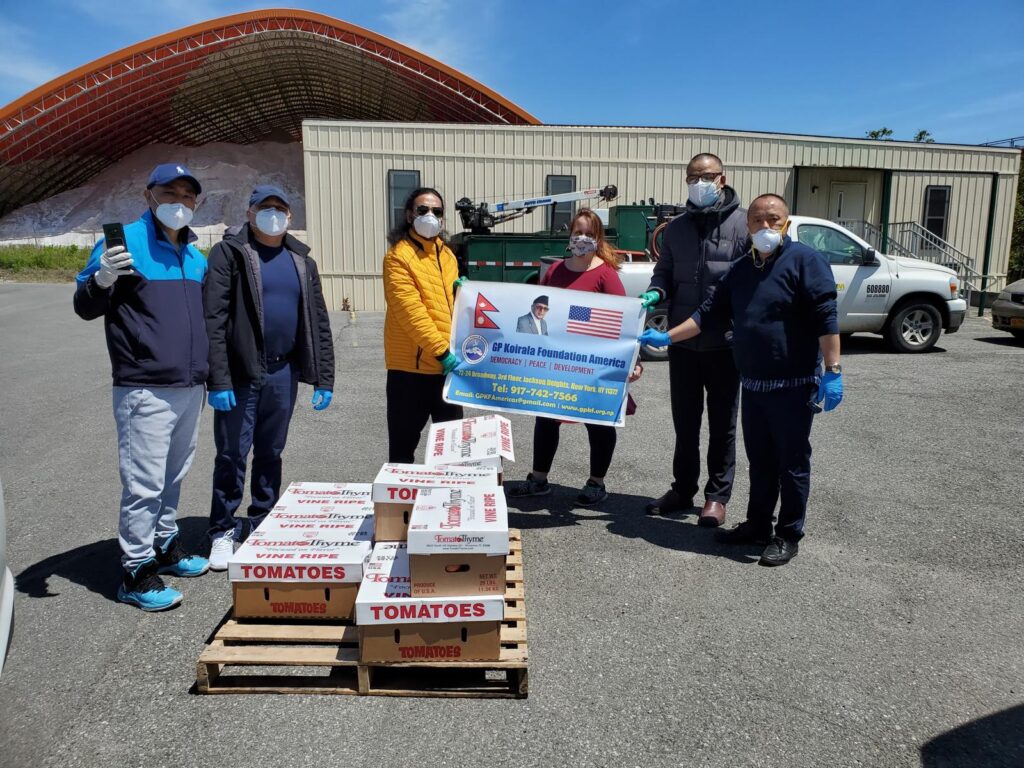
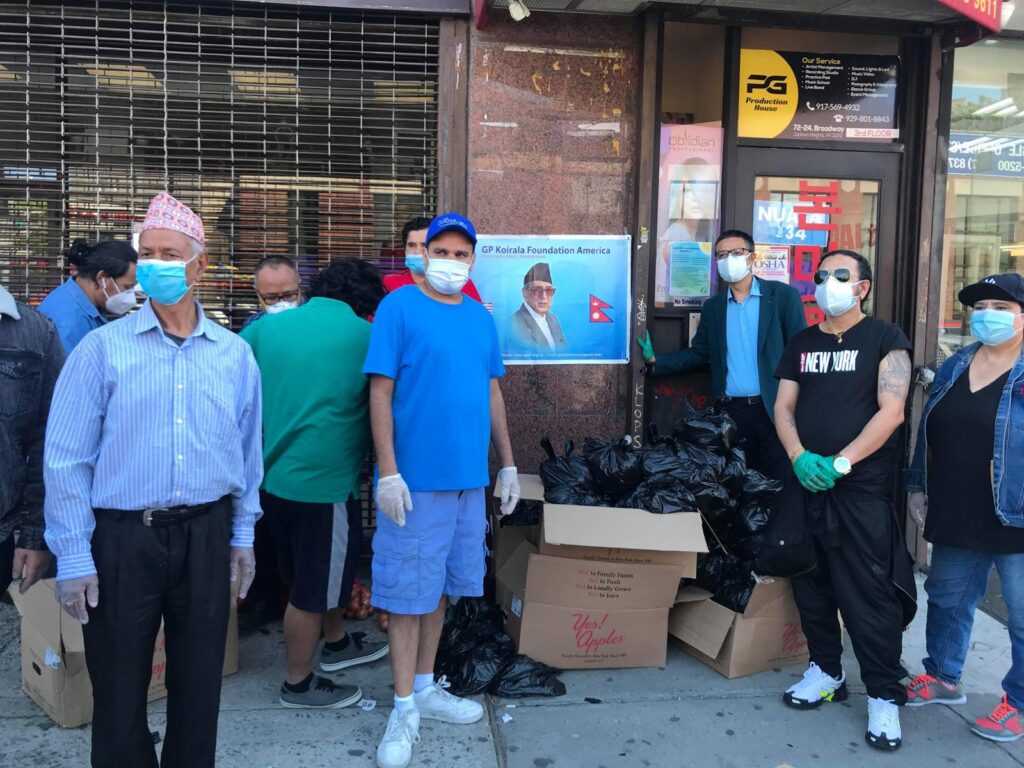
Although Ghimire had long been active in social and community work, his leadership became most visible during the COVID-19 pandemic. The crisis pushed immigrant communities in New York – and communities around the world into unprecedented hardship. At a time marked by fear, shortages, and uncertainty, Ghimire emerged on the front lines of relief efforts.
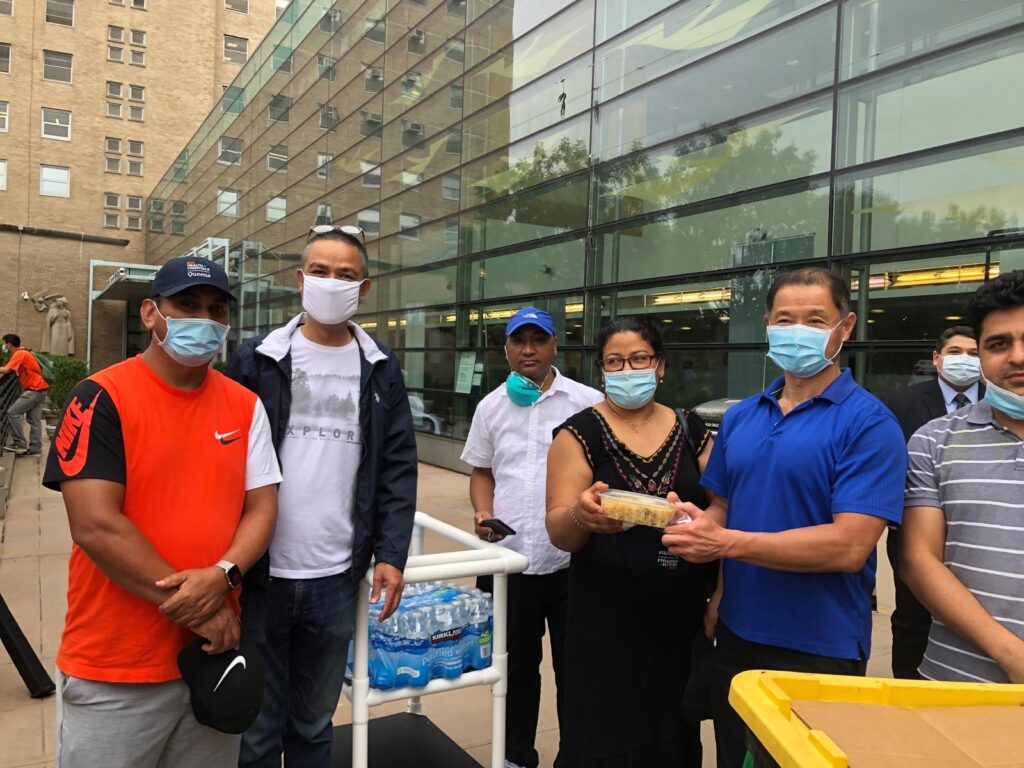
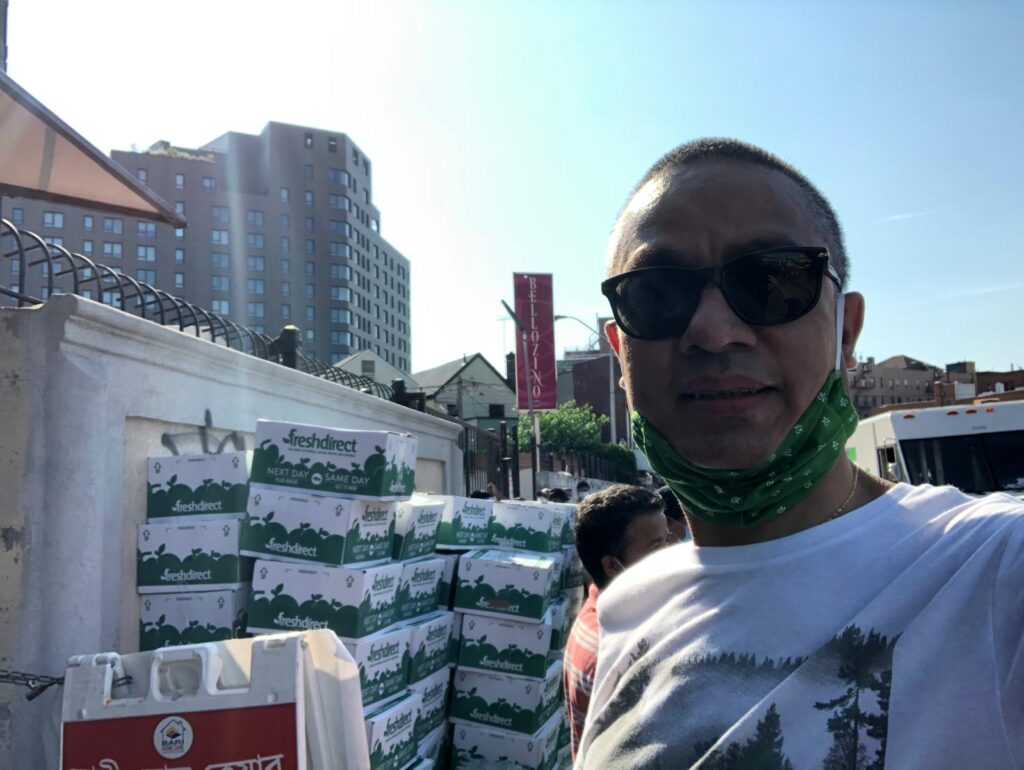
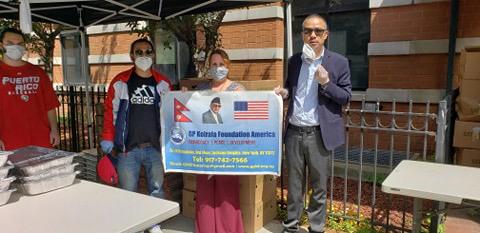
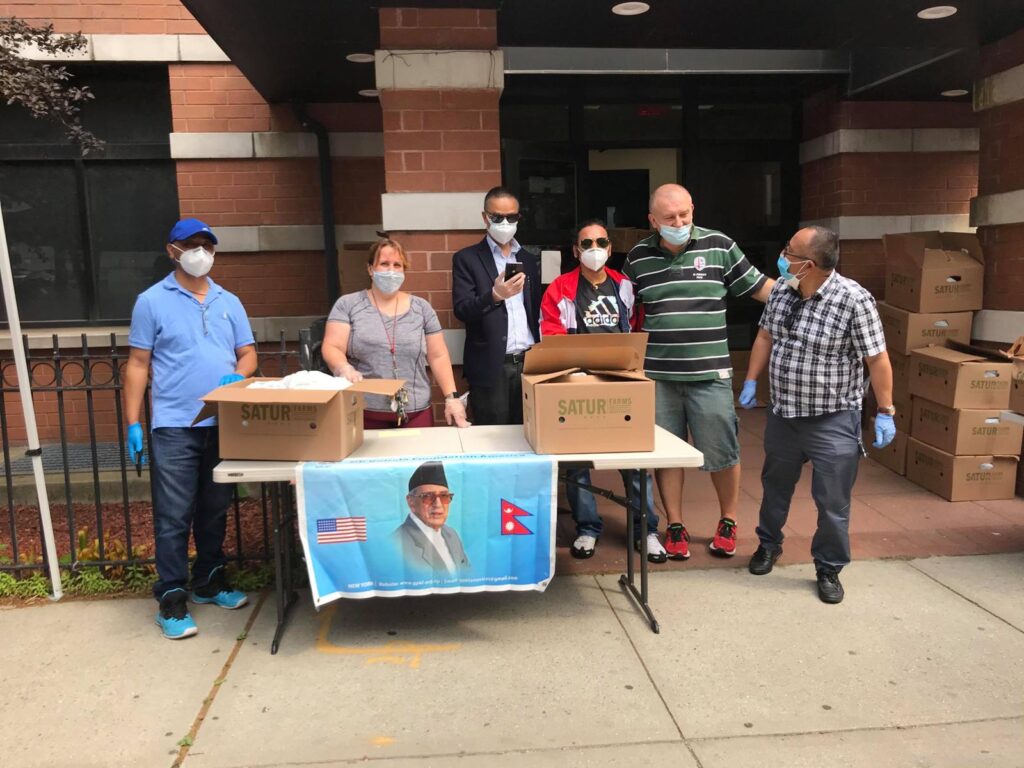
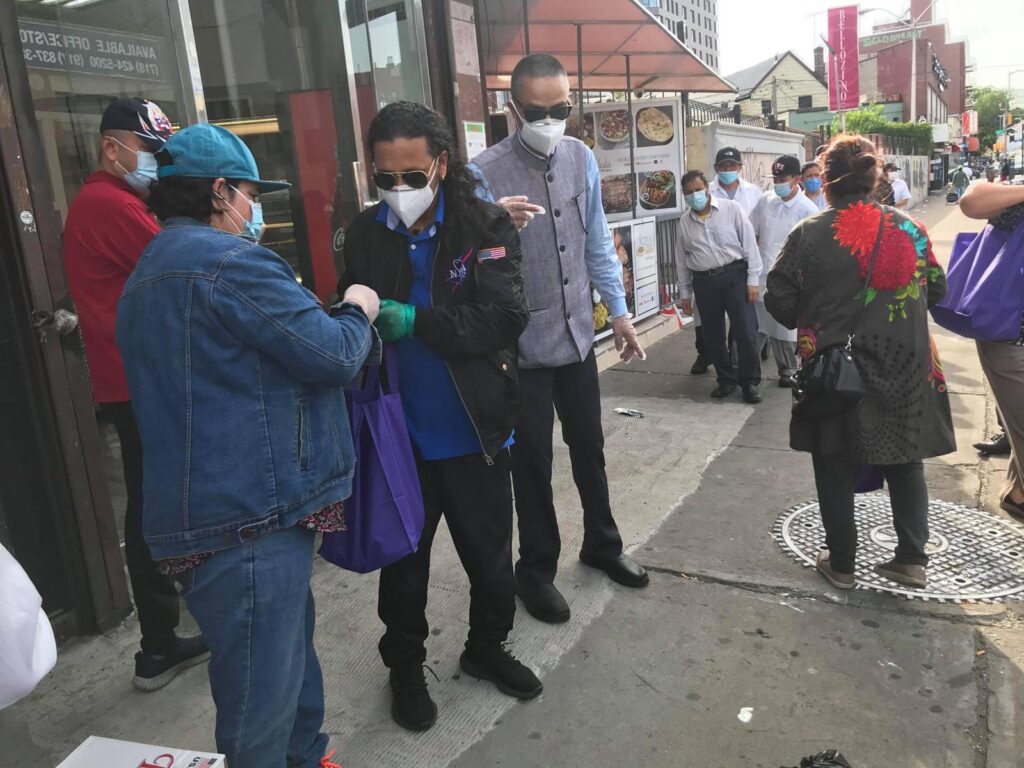
Working alongside volunteers and community organizations, he helped coordinate large-scale support programs for immigrant and vulnerable families. According to community accounts, he played a direct or indirect leadership role in organizing and distributing approximately $300,000 to $400,000 worth of food supplies and relief materials during the height of the crisis.
It was not simply aid distribution. It was an effort to help people survive.
At the same time, he collaborated with various organizations to expand access to COVID-19 vaccinations, launched awareness campaigns to combat fear and misinformation, and actively helped connect elderly and high-risk community members with healthcare services.
During that difficult period, he was not acting as a politician. He was functioning as a crisis organizer and problem-solver whose work directly impacted thousands of lives.
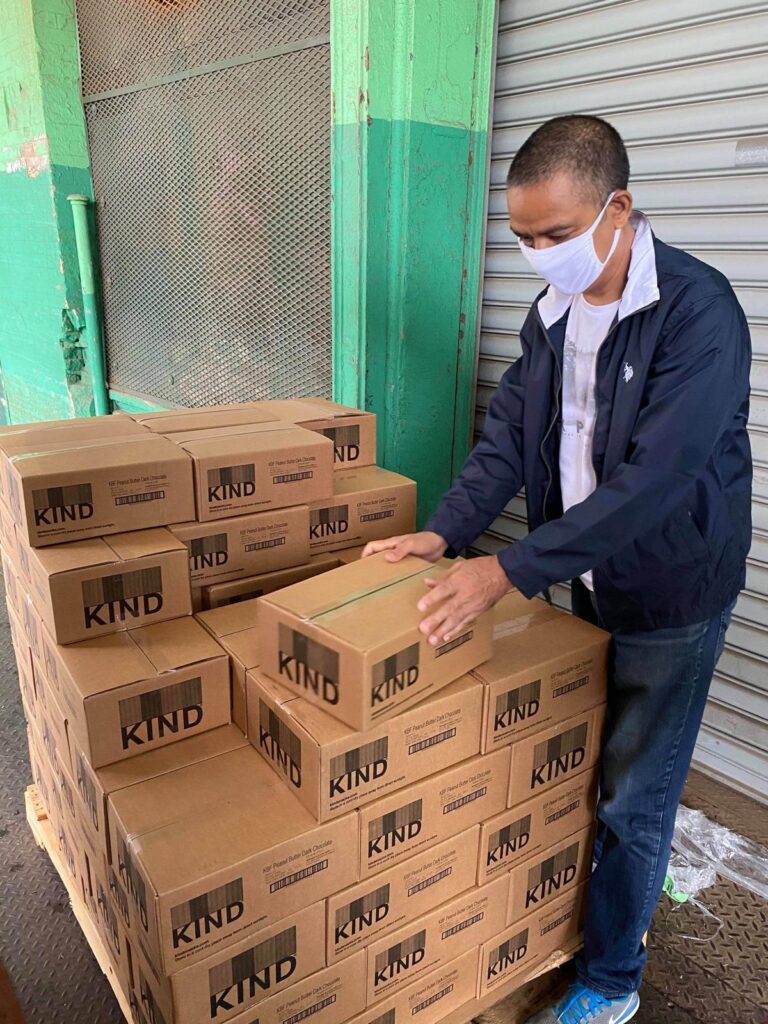

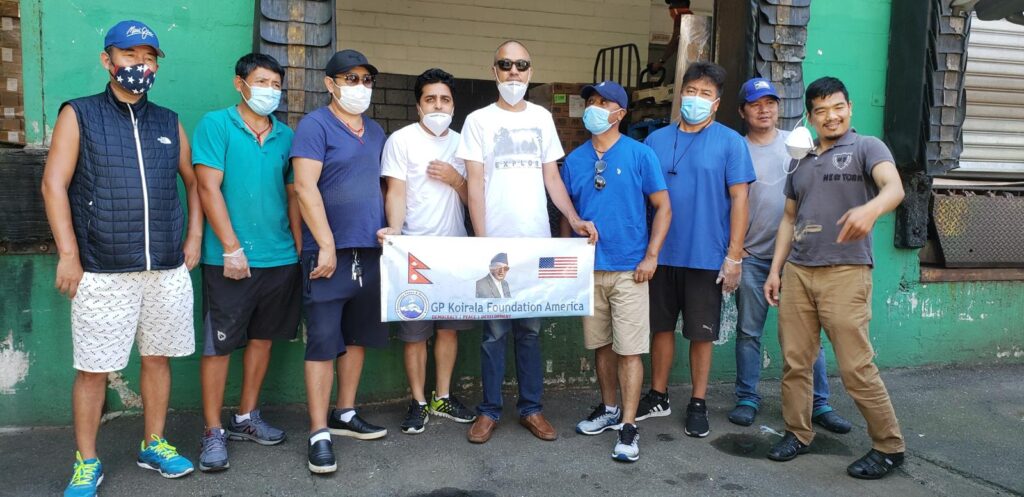
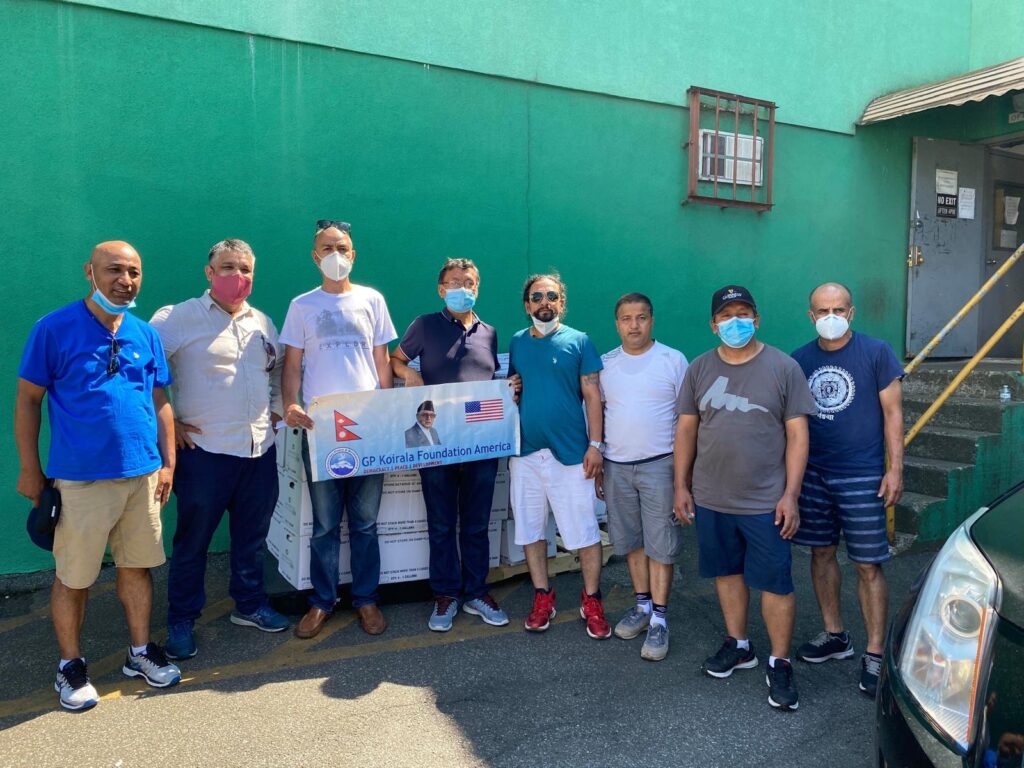












Number One on Ballot: A Historic Political Milestone
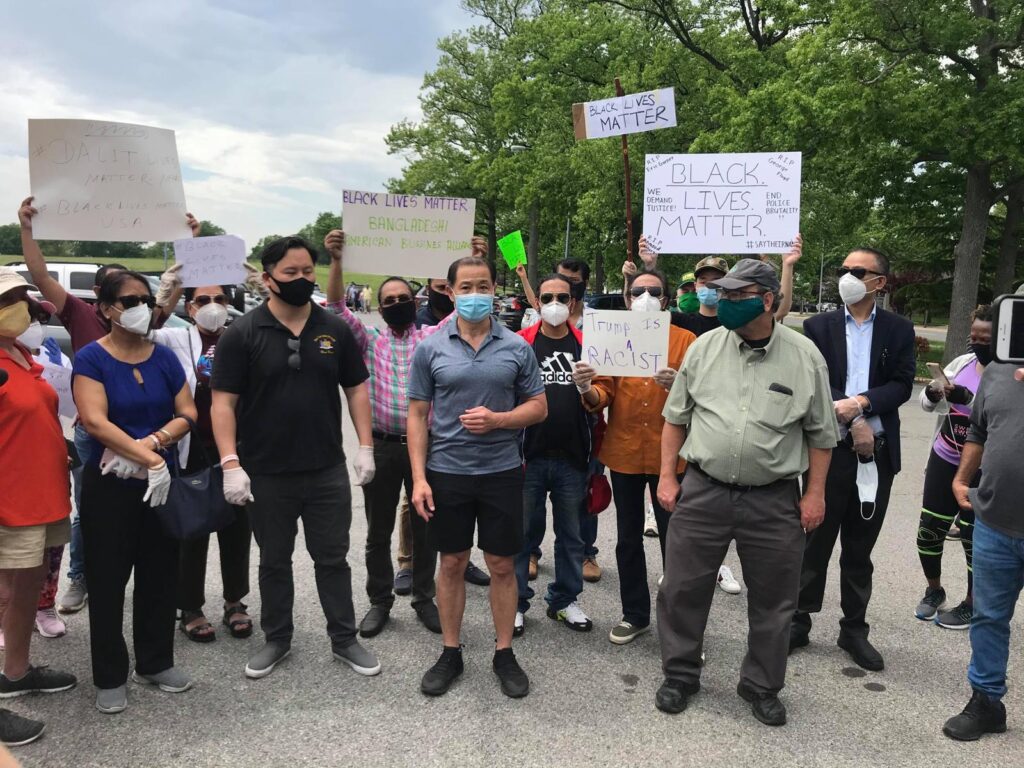
In 2026, Somnath Ghimire is running for the New York State Assembly in Queens District 30 as Ballot Number One. His candidacy represents more than an individual campaign. It reflects the broader aspirations of immigrant families, South Asian communities, working-class residents, and minority groups who have long struggled for equal representation, safety, dignity, and opportunities for growth in New York. It is a statement about representation. Recognized by many community members as an emerging Asian and minority community leader, Ghimire has focused his public work on issues directly affecting immigrant and underserved populations.
As he steps into American politics, he has emphasized several key priorities:
- Immigrant rights
- Labor justice
- Access to education
- Community empowerment
- Multicultural equality
A Defining Moment for Immigrant and Minority Communities
If Somnath Ghimire is elected, it will not simply mark a personal victory. It would be considered a historic achievement for immigrant communities, South Asians, and minority populations across New York who have spent decades fighting for political recognition, community safety, economic opportunity, and social inclusion.
For many in the Nepali-American, South Asian, and broader immigrant communities, such a victory would symbolize the political emergence of communities that have contributed significantly to New York’s economy and cultural diversity, yet often remained underrepresented in mainstream politics.
Supporters believe his leadership reflects the evolving face of New York — a city shaped by immigrants, multiculturalism, and working families seeking equal opportunity and meaningful representation.
From the hills of Ilam to the political halls of New York, Ghimire’s journey is more than a geographical movement.
It is an ongoing transformation of identity, representation, and collective political participation for the Nepali diaspora and the wider immigrant and minority communities of New York.
From a small village in Ilam to the political landscape of New York State, Somnath Ghimire’s story stands as a powerful example of how immigrant communities are no longer remaining on the margins of American politics — they are increasingly becoming part of its leadership and future.
GNN NEWS ROOM



свежие новости алматы сегодня новости алматы сейчас
Любите охоту? https://tovary-dlya-ohoty.ru предлагает большой ассортимент для охоты, туризма и активного отдыха. На сайте собраны охотничья экипировка, охотничья одежда, охотничья обувь, оптика, дополнительные принадлежности и снаряжение для походов. Подбирайте нужное снаряжение, сравнивайте характеристики и оформляйте заказ онлайн. Удобный каталог поможет подобрать экипировку для сезона.
Выбрать быстро цветы Омск можно через каталог. Подбирайте ароматные лилии на подарок. На сайте доступны сборные композиции. Выбирайте подходящую композицию и делайте приятные сюрпризы к важной дате.
Телесериал онлайн сверхъестественное 4 в отличном качестве можно прямо на сайте. Сезоны и серии сериала можно смотреть онлайн. Следите за приключениями Сэма и Дина Винчестеров, которые охотятся на нечисть. Вместе с героями герои сталкиваются с демонами, ангелами, духами и другими существами. Ангел Кастиэль присоединяется к героям, а опасные враги готовят новые испытания. Находите любимый эпизод и смотрите Сверхъестественное онлайн.
Нужно иптытание средств измерений? https://utverzhdenie-tipa-sredstv-izmereniy.ru организация испытаний, подготовка документов, получение свидетельства и внесение СИ в Госреестр. Сопровождение процедуры на всех этапах с учетом требований законодательства.
Registration on some ad platforms simply behaves better when the mailbox has history, so the aged Yahoo accounts for sale here solve a recurring headache. NPPR Team keeps the account age visible in the listing together with the country of creation, which matters when your traffic and your sender must look consistent. Delivery is automatic, replacements are handled under the published terms, and the support desk stays reachable for follow-up questions.
Долгие переговоры в личных сообщениях требуют профиля, которому доверяют, и здесь логично купить отлежавшиеся аккаунты Discord вместо сырой регистрации. Каталог NPPRTEAMSHOP.COM предлагает выдержку от нескольких месяцев с указанием гео, привязкой email и включённой двухфакторной защитой, что заметно снижает риск чекпоинта при первом входе. Доставка приходит на почту сразу после оплаты, а поддержка подсказывает корректную схему прокси под регион.
Learn more here ????? ????? VIP ??????
Удобно сейчас radio-dacha-slushat.ru с телефона или компьютера. В эфире можно услышать современные композиции. Включайте трансляцию в любое удобное время. Наслаждайтесь эфиром с компьютера в несколько кликов.
Получить обслуживание аутсорсинг охрана труда москва для крупной компании. Опытная команда контролируют комплекс обязательных мероприятий. В перечень работ осуществляется оценка профессиональных рисков. Все материалы проверяются под конкретные условия работы. При возникновении задачи ведение направления берет на себя профильная команда. Привлечение специалистов помогает систематизировать работу с документами. Ответственному сотруднику не потребуется самостоятельно заниматься всеми вопросами. Запросите цену обслуживания исходя из задач компании. Оставьте заявку по телефону и получите помощь в ведении охраны труда.